
Are you experiencing blurry vision, difficulty reading, or increased glare while driving at night? These could be signs of cataracts. Cataracts develop when the natural lens of the eye becomes cloudy, affecting the clarity of your vision. Seeking timely Cataract Treatment in Bangalore can help identify the condition early and prevent unnecessary difficulties in your daily activities.
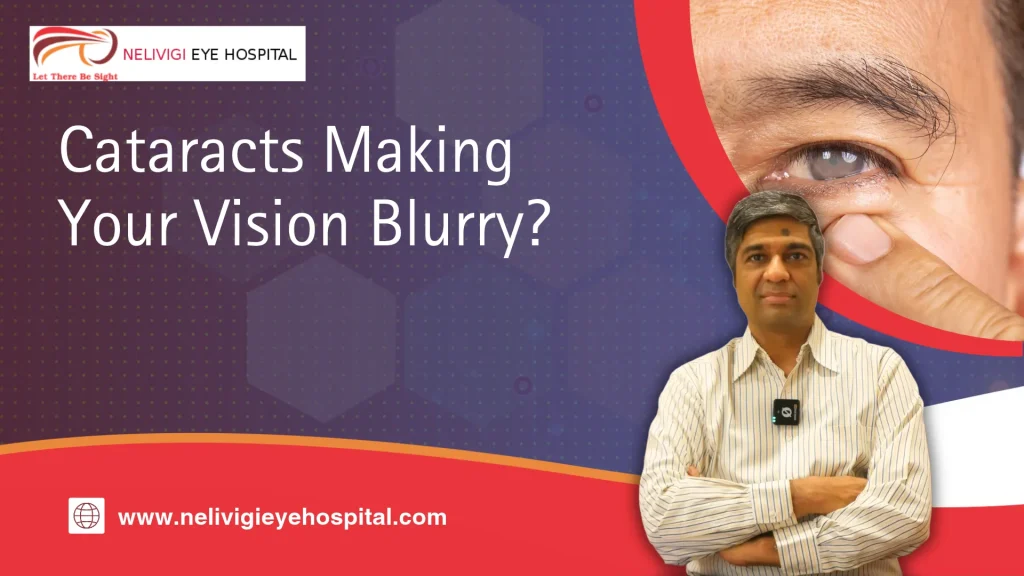
In this blog, let’s understand what cataracts are, their common symptoms, causes, diagnosis, and available treatment options.
1. What Is a Cataract?
A cataract is an eye condition in which the normally clear natural lens becomes cloudy. This makes it difficult for light to pass through the lens properly, resulting in blurred or hazy vision.
Cataracts commonly develop with ageing, but they can also occur due to diabetes, eye injuries, certain medications, or other eye conditions.
If left untreated, cataracts can gradually interfere with everyday activities such as reading, driving, and recognising faces.
2. What Are the Common Symptoms of Cataracts?
Cataracts usually develop gradually, and the symptoms may become more noticeable over time.
Watch out for these changes:
- Blurry or cloudy vision.
- Increased sensitivity to bright lights.
- Difficulty seeing clearly at night.
- Halos around headlights and streetlights.
- Faded or less vibrant colours.
- Frequent changes in spectacle prescription.
- Difficulty reading or recognising faces.
If you notice these changes, schedule an eye examination instead of ignoring them.
3. Who Is at Risk of Developing Cataracts?
Although cataracts are commonly associated with ageing, certain factors can increase the risk of developing them.
These include:
- Advancing age.
- Diabetes.
- Long-term use of steroid medications.
- Previous eye injuries or surgeries.
- Excessive exposure to ultraviolet radiation.
- Smoking.
- Family history of cataracts.
People with diabetes may develop cataracts earlier than others, making regular eye check-ups particularly important.
4. How Are Cataracts Diagnosed?
An ophthalmologist can diagnose cataracts through a comprehensive eye examination.
Common tests include:
- Visual Acuity Test: Checks how clearly you can see at different distances.
- Slit-Lamp Examination: Helps examine the structures at the front of your eye, including the natural lens.
- Retinal Examination: Helps evaluate the retina and other structures at the back of the eye.
- Eye Pressure Test: Measures the pressure inside your eyes.
These examinations help determine the extent of the cataract and identify other eye conditions that may affect your vision.
5. What Are the Treatment Options for Cataracts?
In the early stages, updated spectacles and better lighting may help manage some vision difficulties.
However, surgery is currently the only effective way to remove a cataract.
Cataract surgery generally involves:
- Removing the cloudy natural lens.
- Replacing it with an artificial intraocular lens (IOL).
- Selecting a suitable lens based on your eye condition and visual requirements.
Modern cataract surgery is commonly performed using advanced techniques, and most patients can return to their routine activities gradually after recovery.
6. When Should You Consider Cataract Surgery?
Cataract surgery may be recommended when vision problems begin interfering with your everyday activities.
You may need an evaluation if:
- Reading has become difficult.
- Night driving feels uncomfortable.
- Glare affects your vision.
- Your daily activities are affected by blurred vision.
- Updating your spectacles no longer provides adequate improvement.
The decision to undergo surgery depends on your visual needs, eye health, and ophthalmologist’s assessment.
Frequently Asked Questions
1. Can cataracts cause complete vision loss?
Advanced untreated cataracts can cause severe vision impairment and, in some cases, blindness. Timely evaluation and appropriate treatment can help restore vision.
2. Can cataracts be treated without surgery?
No eye drops, medicines, or home remedies have been proven to remove an established cataract. Surgery is the effective treatment when cataracts significantly affect vision.
3. Is cataract surgery painful?
Cataract surgery is generally performed using local or topical anaesthesia, so patients usually experience minimal discomfort during the procedure.
4. How long does it take to recover after cataract surgery?
Many patients notice vision improvement within a few days, but complete healing and visual stabilisation can take several weeks. Recovery varies between individuals.
5. Can cataracts come back after surgery?
The removed natural lens cannot develop a cataract again. However, some patients may develop posterior capsule opacification (PCO), commonly called a secondary cataract, which can usually be treated with a simple laser procedure.
Conclusion
Cataracts are a common cause of blurry vision, particularly as we age. Recognising the symptoms, getting regular eye examinations, and considering timely treatment can help you maintain better vision and quality of life. Do not allow cloudy vision to interfere with your everyday activities.
For professional eye evaluation and advanced Cataract Treatment in Bangalore, consult an experienced eye specialist at a trusted Eye Clinic in Gunjur.